
How to Properly Care for Your Fish

- How to Make Bonita Ceviche - May 4, 2026
- Goose Breast Tacos With Homemade Tortillas - January 23, 2026
- Diver Duck Sausage Pizza - September 24, 2025
Eating wild fish feels like a summer staple. There is nothing like spending a day on a boat and reeling dinner up from the depths. You can be very versatile with fish in the kitchen. They are delicious fried, grilled, or pan-seared.
While fish are delicious and fun to catch, they are more delicate than wild game. Fish can spoil easily if not treated correctly. It is also easy to foul your meat during the cleaning process.
Although fish are delicate, you can take a few simple steps to ensure they are well cared for. Treat your fish right and you can thoroughly enjoy your meal upon your return home.
Follow these steps to ensure you end up with a tasty end product:
Listen to our Podcast
Apple Podcasts, Google, Spotify, Amazon Music
Try our Delicious Wild Fish and Game Spice Blends!

What to Do if You Plan to Harvest Fish
While you should endeavor to keep all your wild harvests as cool as possible and practical before processing, fish need special care. You will want to either keep your fish alive in a well-oxygenated receptacle or dispatch them and put them on ice or keep them in cool water.

Listen to Harvesting Nature’s Wild Fish and Game Podcast Episode 195: Create World-Class Tasting Fish with Ike Jime to learn more about properly killing fish.
Dispatch quickly and cleanly: Dispatching and bleeding fish out is generally a quick way to ensure that they are killed humanely. It will also make your harvest taste better. I prefer to dispatch my fish to end all potential misery. My method of dispatch is to simply bleed the fish out. You will want to drive a knife into the fish’s spinal cord just behind the eyes. This will sever its connection to all vital organs instantly. Next, you will want to cut the main artery behind the gills and wait for it to stop bleeding. From there I will generally put them into a cooler on ice.
Cool it down: Put your fish on ice or in a cool body of water and keep them cool until you return home. Ice is highly recommended if you will not have a chance to clean your fish for several hours following the catch. This will delay any bacterial growth that tends to set in seafood a lot quicker than other types of meat.

Keep it clean: Once you are home, remove the scales from your fish and gut it. Ensure that you wash or use a new surface prior to putting your fish back on the surface that you gutted it on. With the fish gutted and descaled, you can either filet it, chop it, or cook it whole. Just be sure that it will be cooked within a couple of days. If you do not anticipate cooking your fish right away then you should freeze your catch as close to fresh as possible.
How To Handle Non-Harvested Fish
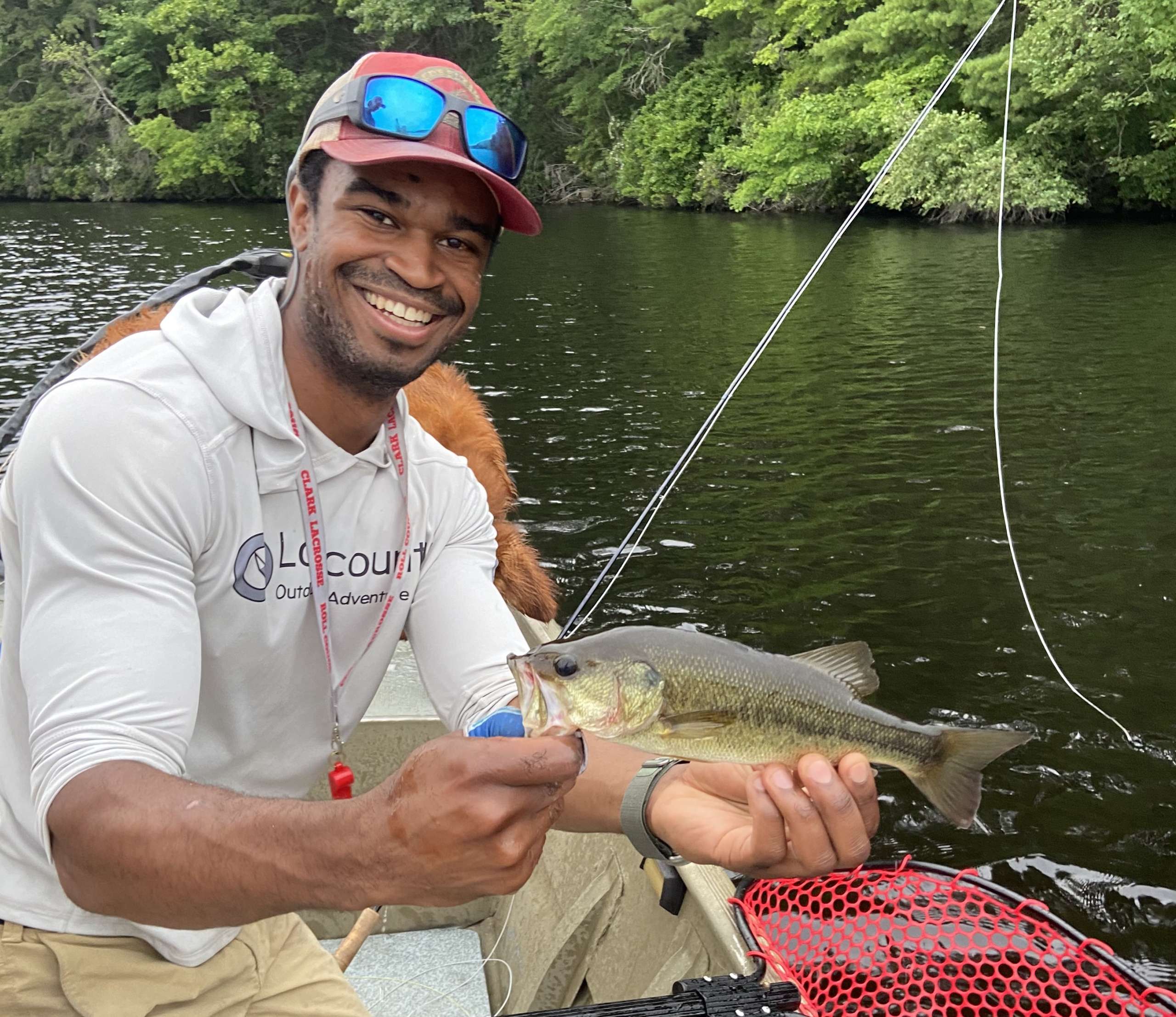
Handle your fish with care: Whether you are practicing catch and release, or a fish is not of a legal size limit, you should handle it with care. When you pull a fish out of water, make sure that you keep it off the deck of a boat or the shore. Allowing the fish to thrash around subjects it to undue injury.
Get your hands wet: Wet your hands or use a special mesh landing glove before touching the fish. This practice protects the fish’s slime layer which keeps parasites and pathogens from setting into the fish’s skin.
Support the fish’s weight: Support the fish’s weight around its midsection and hold it horizontally. This is especially important for larger fish. Water supports fish weight. If they are not supported, then they can crush their vital organs under their own weight when they are out of the water. Holding a fish vertically can also put undue pressure on its vital organs.

Work fast if releasing: Keep the fish out of water for as brief a time as possible. The longer a fish stays wet, the cooler it will be and the more breathing it can do. Handle it as briefly as possible to remove your hook. Once the fish is de-hooked, give it ample time to recover in the water with your support. Allow the fish to indicate when it is ready to go by initiating its kick away.
Following these practices will ensure that your post-catch mortality is minimized. Just because a fish swims away does not mean that it will not die eventually. If mishandled, fish can be subject to predation or die from excess stress. Handling fish with care keeps their stress level down and allows them to recover and resume normal activities as quickly as possible.
Get Out and Go Fishing
Now that you know how to handle and harvest fish, get out and go fishing. While I am a fly fisherman at heart and practice catch and release 90% of the time, there is something to be said about dropping a chunk of squid to the bottom and seeing what picks it up.
Fishing, however it is accomplished, is a quintessential summer activity. It is a great social event that can bring people together. The salty air on the ocean or the fresh smell of a spring lake promotes an unrivaled feeling of peace and tranquility. When the hunting is shut down and other outdoor activities are slow, go try some summer fishing.

